let's see if this sounds familiar...
Is Occupational Therapy Right for My Child?
Sometimes everyday activities are harder than they seem. Occupational therapy may help if your child...
Has big reactions to sounds, textures, movement, or other sensory input
Avoids or constantly seeks certain types of movement
Struggles with fine motor tasks like writing, cutting, or using utensils
Has difficulty getting dressed, brushing teeth, or completing other daily routines
Seems clumsy or has trouble coordinating movements
Has difficulty with attention, regulation, or transitions
Struggles to participate comfortably at home, school, or during play
> Therapy Services
Occupational Therapy
Helping children build the everyday skills they need to play, participate, and grow with confidence.
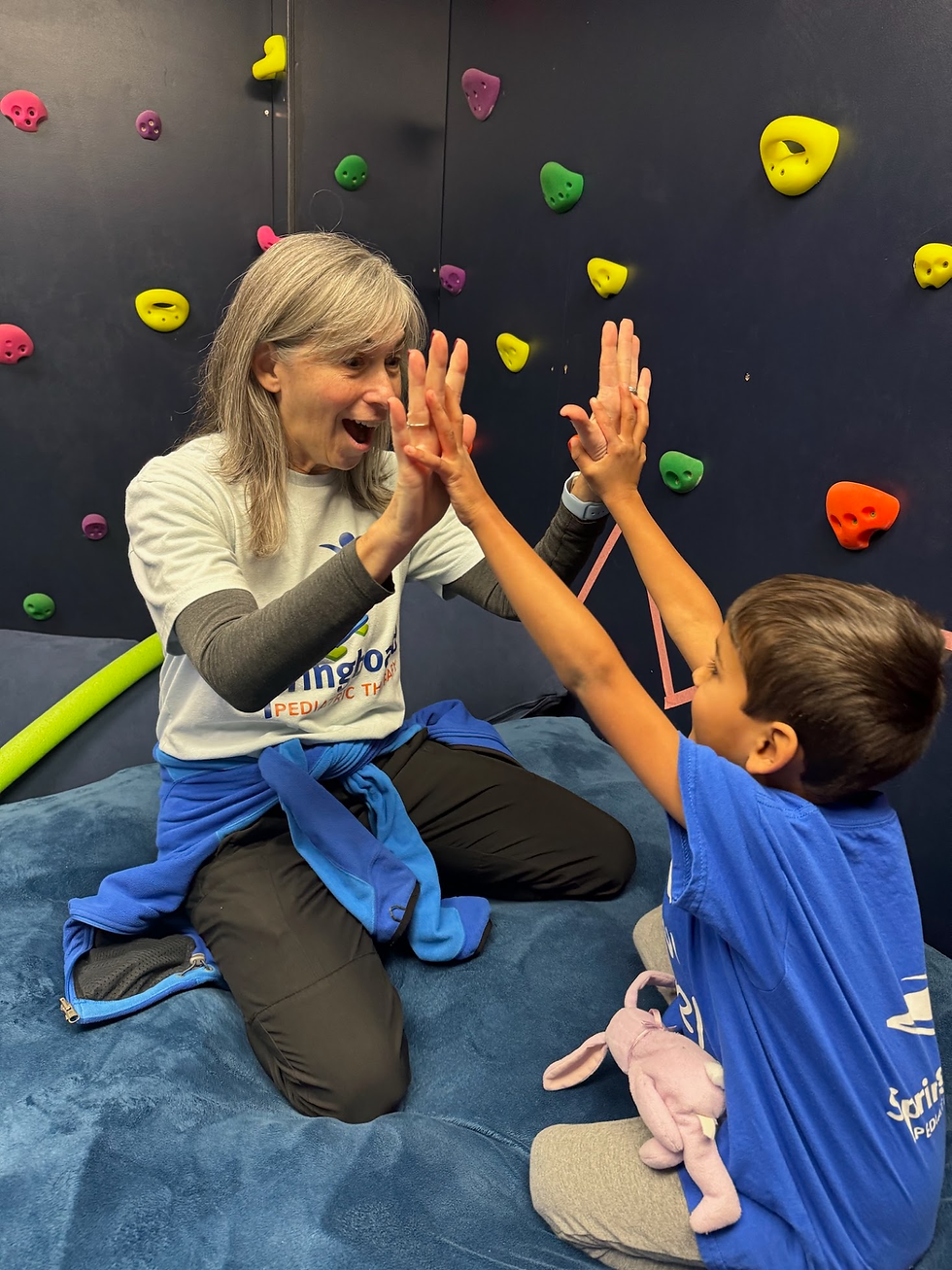
Springboard’s occupational therapists support sensory processing, fine motor skills, self-care, coordination, and participation in everyday activities through individualized, play-based therapy.

let's take a closer look...
What We Help With
open to read more
Helping children respond to sensory information and regulate their bodies so they can participate more comfortably in everyday activities.
Common diagnoses and concerns:
-
Sensory processing differences
-
Autism
-
ADHD
-
Sensory seeking or avoidance
-
Difficulty with regulation and transitions
-
Building the hand strength, coordination, and visual-motor skills children use throughout their day.
Common diagnoses and concerns:
-
Handwriting difficulties
-
Difficulty with scissors, fasteners, or utensils
-
Poor hand-eye coordination
-
Fine motor delays
-
Visual-motor challenges
-
Helping children develop the skills needed to participate more independently in everyday routines.
Common diagnoses and concerns:
-
Dressing and fasteners
-
Grooming and hygiene
-
Toileting routines
-
Using utensils
-
Difficulty completing age-appropriate daily tasks
-
Helping children plan, organize, and coordinate their bodies for play, movement, and everyday activities.
Common diagnoses and concerns:
-
Developmental coordination disorder
-
Dyspraxia / motor planning difficulties
-
Poor body awareness
-
Coordination challenges
-
Developmental delays
-
Occupational therapy helps children build the skills they use to participate in everyday life—from getting dressed and using their hands to playing, learning, and navigating their environment.
Challenges in these areas may be associated with autism, ADHD, developmental delays, sensory processing differences, genetic or neurological conditions, motor coordination difficulties, and more.
approaches we may use
Ayers Sensory Integration
NDT
Emotional ABCs
Therapeutic Listening
Safe and Sound
Zones of Regulation
Little Spot of Feelings
Dynamic Movement Intervention (DMI)
Interactive Metronome